Skip to content

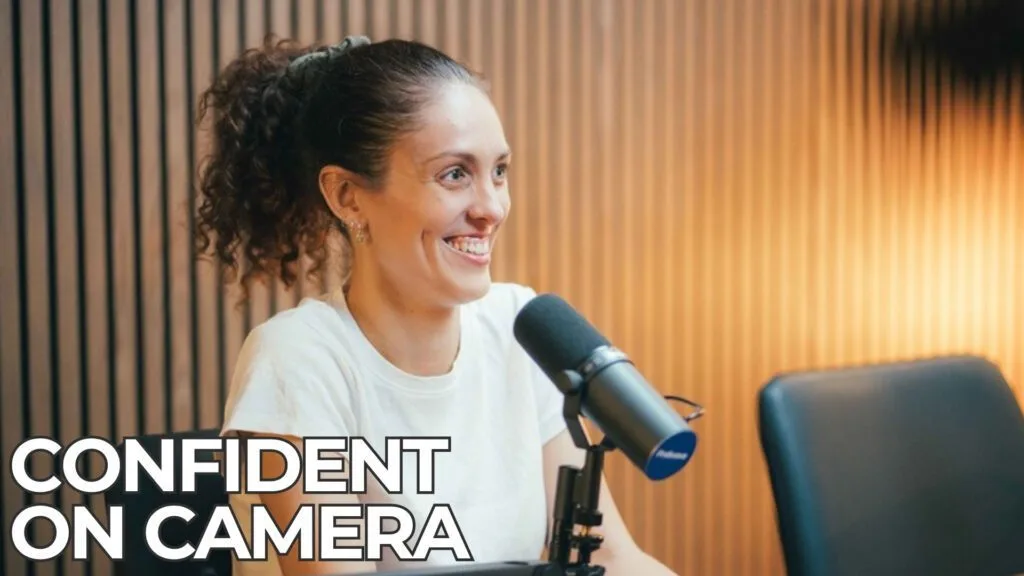

In short: Business leaders get comfortable on camera through practice, preparation and feedback. Know your three key messages, rehearse out loud, and record in a real studio with a producer who coaches your delivery. Confidence usually follows within a few sessions.
Plenty of capable leaders freeze the moment a red light turns on. They can run a board meeting or pitch to a client with ease. Yet a camera makes them stiff, rushed or overly formal.
The good news is that on-camera confidence is a skill, not a personality trait. Like any skill, it improves with the right practice. This guide covers practical steps that work for founders, managers and spokespeople across Perth.
Why Is It Hard to Get Comfortable on Camera?
Most discomfort comes from three things. First, there is no audience reaction. In a meeting, you see nods and smiles. On camera, by contrast, you get silence.
Second, many leaders worry about making a mistake that lives forever. Third, they try to sound like a newsreader instead of themselves. As a result, they lose the warmth that makes them good at their job.
Understanding these causes helps. Once you know why you feel awkward, you can fix each cause directly.
How Do You Get Comfortable on Camera Quickly?
To get comfortable on camera, start with your message rather than your appearance. Write down the three points you want viewers to remember. Then practise saying each one out loud in under 30 seconds.
Next, talk to one person, not a crowd. Picture a specific client or colleague behind the lens. That way, your tone stays natural and conversational.
Finally, record often. The first session is always the hardest. By the third or fourth, most leaders notice they think less about the camera and more about the conversation.
What Should You Practise to Get Comfortable on Camera?
A little preparation goes a long way. Here is a simple routine to follow in the days before a session.
- Write your three key messages on a single card.
- Say each message out loud, then trim any filler words.
- Prepare one short story or example for each point.
- Record yourself on your phone and watch it back once.
- Note one habit to improve, such as pace or eye contact.
Keep it light. Over-rehearsing can make you sound scripted. Instead, aim to know your points well enough to explain them in different ways.
How Can You Get Comfortable on Camera in Tough Interviews?
Media interviews and podcast guest spots often include a curly question. So prepare for it rather than hoping it does not come.
Start by listing the three questions you would least like to answer. Then plan a short, honest response for each. A useful structure is to acknowledge the question, give a direct answer and bridge back to your key message.
For example, a Perth construction business owner might be asked about project delays. A strong reply acknowledges the issue, explains what the business has changed and then returns to its focus on quality. In other words, you stay honest without losing control of the conversation.
What Body Language Helps You Look Comfortable on Camera?
Small changes make a big difference. Sit tall but relaxed, with your back slightly away from the chair. Keep your hands visible and use natural gestures.
Also slow down. Nerves usually speed people up, so a slightly slower pace sounds confident on screen. In addition, pause between ideas. Editors can tighten pauses easily, but they cannot fix rushed delivery.
Eye contact matters too. If you are in conversation, look at the other person. If you are speaking straight to camera, look into the lens as though it were a friend.
How Does a Studio Producer Help You Get Comfortable on Camera?
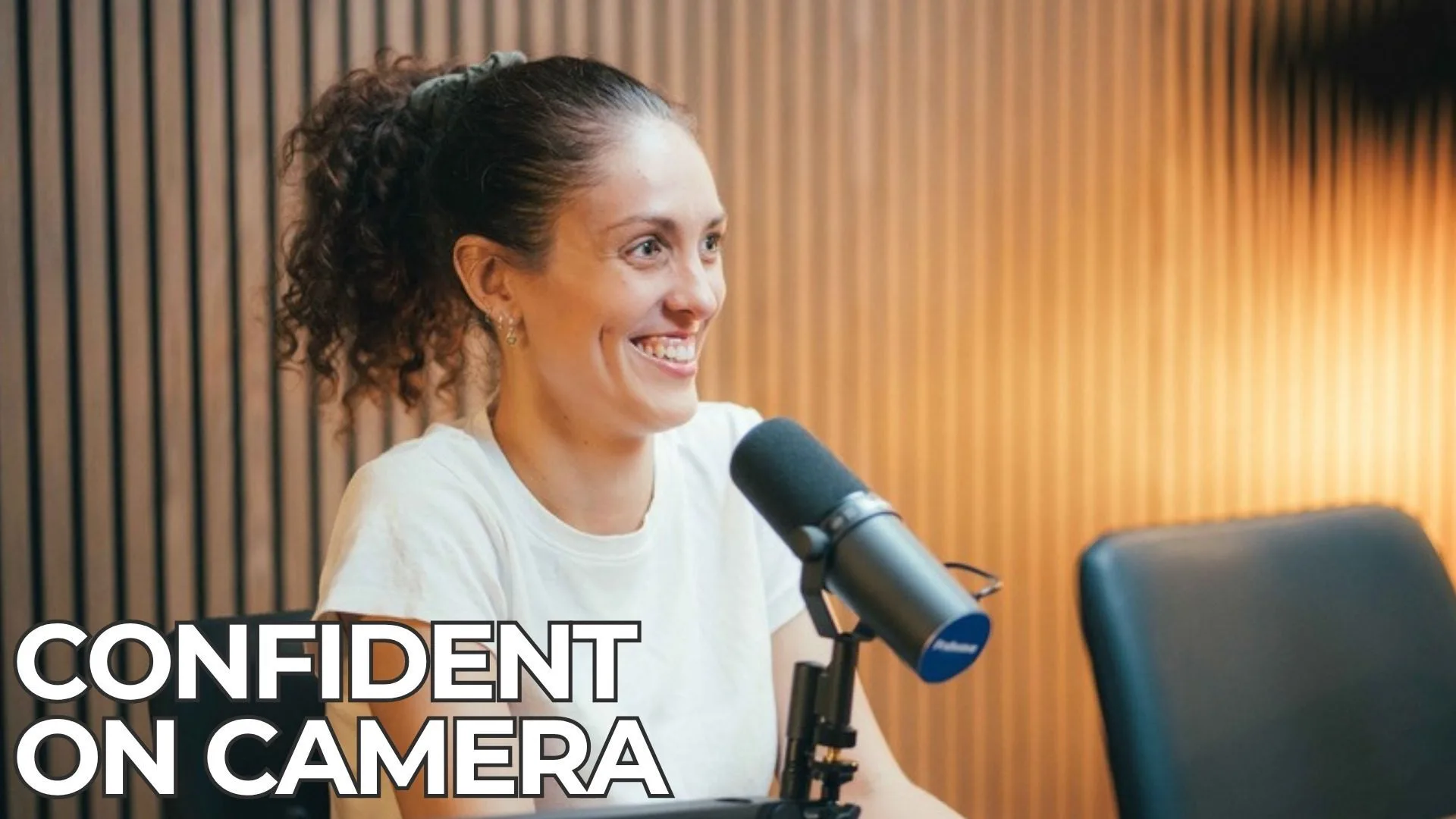
A producer is your second set of eyes. At Podwave Studios, producers handle the setup, live video switching and live audio adjustments. They also give feedback on your delivery and take photos during and after the recording.
That feedback is often the fastest way to improve. For instance, a producer might notice that you look down before every answer, or that your best points come out after a short warm-up. Small notes like these build confidence quickly.
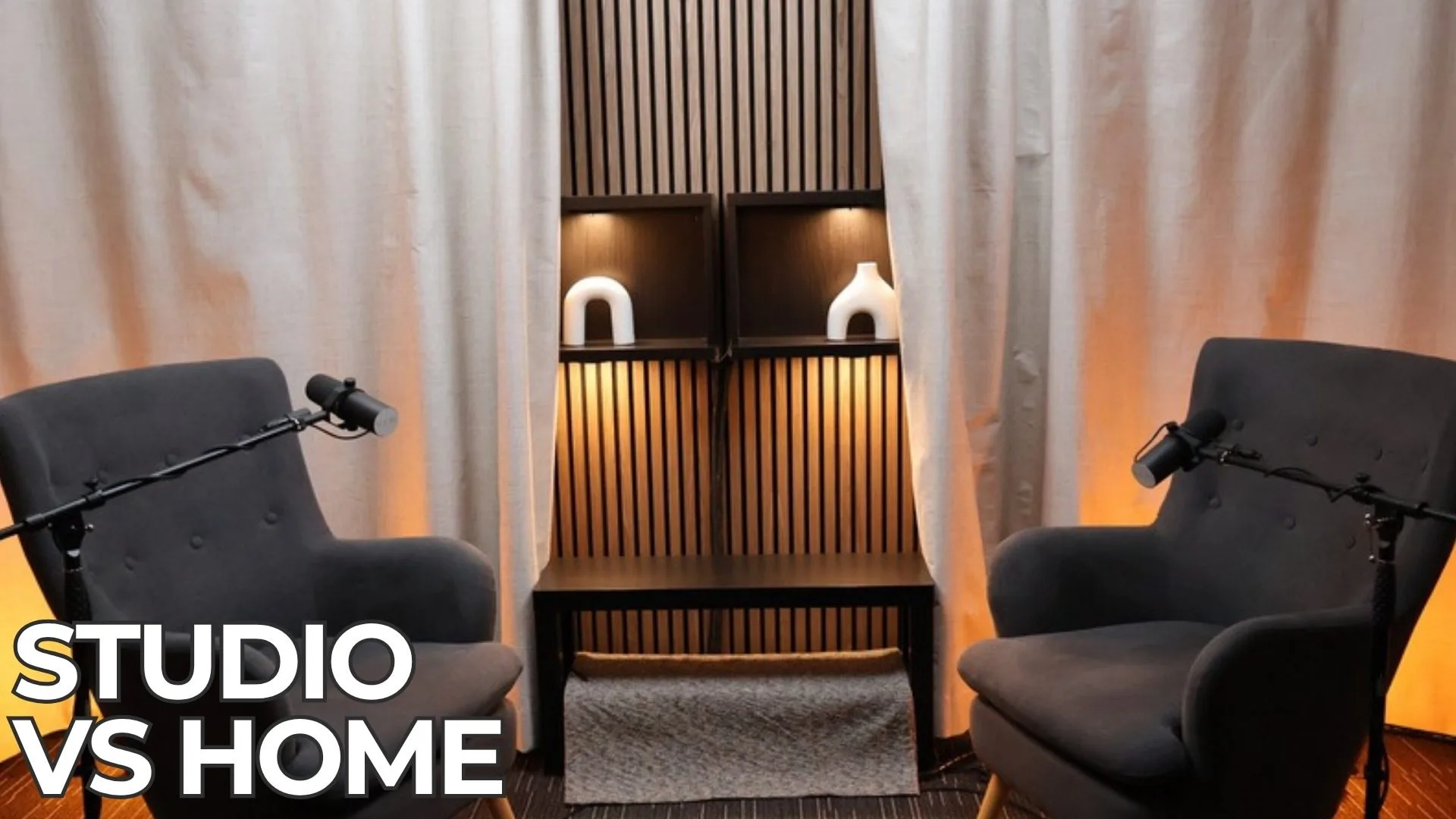
Our West Leederville video podcast studio is at Level 1A, 32 Harrogate St. First-time one-hour bookings include a complimentary producer valued at $150, so that hour is $285. After that, studio hire is $435 an hour with a producer included.
What Does Podwave Media Training Offer?
Some leaders want structured coaching rather than learning on the job. For that reason, Podwave Studios offers media training for business leaders and spokespeople. It helps you prepare for interviews, podcast guest spots and on-camera moments with more confidence.
Training takes place in a working studio, so you practise in front of real cameras and microphones. As a result, the skills transfer directly to your next interview or recording. Because every program is tailored, the team does not publish a set price. Instead, get in touch or book a consultation to discuss what you need.
Can Your Whole Leadership Team Train Together?
Yes. Many businesses want more than one confident spokesperson. That is where Podwave Academy comes in.
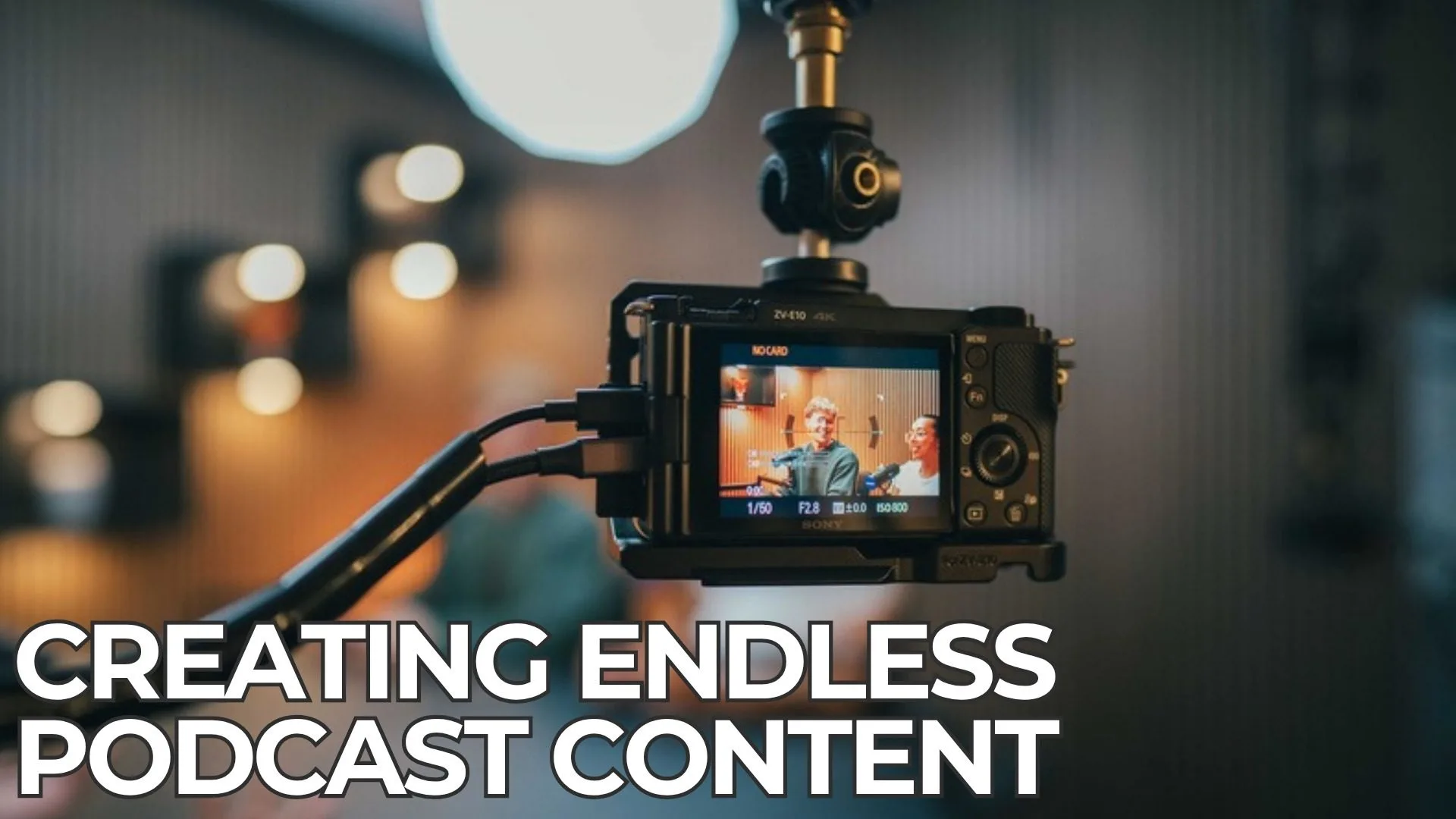
The Academy runs hands-on workshops for business and corporate teams. Sessions cover content planning, on-camera presence, recording technique and how to grow an audience. Working producers teach every session on professional gear, including Shure SM7B microphones, Sony 4K cameras and broadcast lighting.
Workshops are tailored to each group, so pricing depends on the format, length and number of people. To get a quote, contact the team or arrange a consultation.
How Do You Keep Improving After the First Session?
Confidence grows when you review your footage. So watch each recording back once, ideally a day later. Then pick one thing to keep and one thing to change.
For example, you might keep your strong opening story but slow your pace in the middle. Next time, focus only on that one change. That way, you improve steadily without feeling overwhelmed.
It also helps to record regularly. A monthly session keeps your skills sharp. Meanwhile, each recording gives your marketing team fresh content to share.
Frequently Asked Questions
How long does it take to feel comfortable on camera?
Most people feel noticeably more relaxed after three or four recording sessions. Regular practice matters more than the length of each session.
Should I use a script or talking points?
Talking points usually work better for conversations and interviews. However, a short script can help for a branded opening, and our studio has a teleprompter for that.
What should I wear on camera?
Choose solid, mid-tone colours that sit well when you are seated. Our guide to the right video podcast outfit covers this in more detail.
Does Podwave offer media training?
Yes. Podwave Studios offers media training for leaders and spokespeople. Pricing depends on your needs, so contact the team for a quote.
Do I need experience before a workshop?
No. Podwave Academy workshops cater to all skill levels, from complete beginners to people with some experience.
When can I book a practice session?
Our studio is open Monday to Friday 8am to 6pm and Saturday 10am to 4pm.
Ready to Build Your On-Camera Confidence?
Getting comfortable on camera starts with one session in the right room. Book your first session at Podwave Studios in West Leederville. Alternatively, ask us about media training or a tailored Podwave Academy workshop for your leadership team.