Skip to content

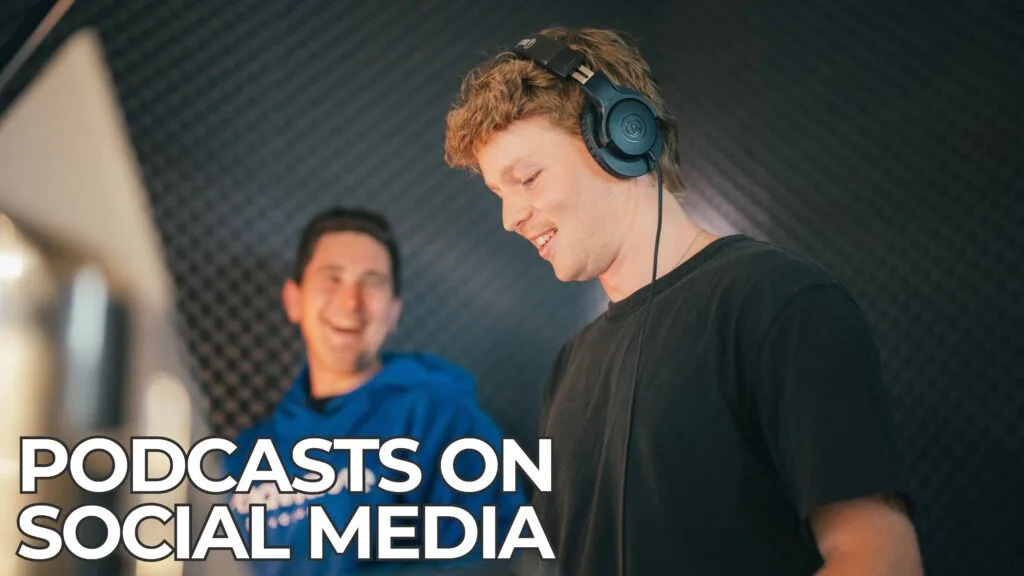

The smartest thing you can do with one recording is repurpose a video podcast into a week of content, yet most Perth businesses stop at publishing the full episode and wonder why nobody sees it. A single sixty minute conversation holds ten or fifteen moments worth watching. Left buried inside the full episode, almost none of them get found.
Social platforms do not reward long files. Instead, they reward short, self contained moments that make a person stop scrolling.
This is not about posting more for the sake of it. In fact, it is about getting far more attention from work you have already done. Here is how to think about it properly.
Why You Should Repurpose a Video Podcast
The case to repurpose a video podcast is simple. You have already paid for the room, the cameras, the guest and the hour. The full episode serves the people who already follow you, but it does very little to reach anyone new. Short clips, by comparison, are how new people find the show in the first place.
Discovery on social platforms is clip led. A strong ninety second moment can travel far beyond your existing audience, whereas a full episode almost never does. So the clips are not a nice extra. Instead, they are the top of the funnel that feeds everything else.
Because each episode produces many clips, a business that records fortnightly can still post several times a week. In practice, that consistency is what the platforms reward, and it is far easier to sustain than writing fresh content from scratch.
What It Really Means to Repurpose a Video Podcast
To repurpose a video podcast well is to treat the episode as raw material, not as a finished product that gets chopped up as an afterthought. In fact, the moments that work as clips are usually decided before you ever open an editor.
Think of every episode as producing three layers of content:
- The full episode. The complete conversation, published to YouTube and the audio platforms for people who want the whole thing.
- The short clips. Vertical cuts of thirty to ninety seconds, built for Instagram Reels, TikTok, YouTube Shorts and LinkedIn.
- The stills and written pieces. Quote cards, a short written summary, and audiograms for the audio only channels.
Above all, the clips do the heavy lifting for reach. They are also the hardest to get right, because a clip must make sense to someone who has never heard of you or your guest.
How to Repurpose a Video Podcast Into Short Clips
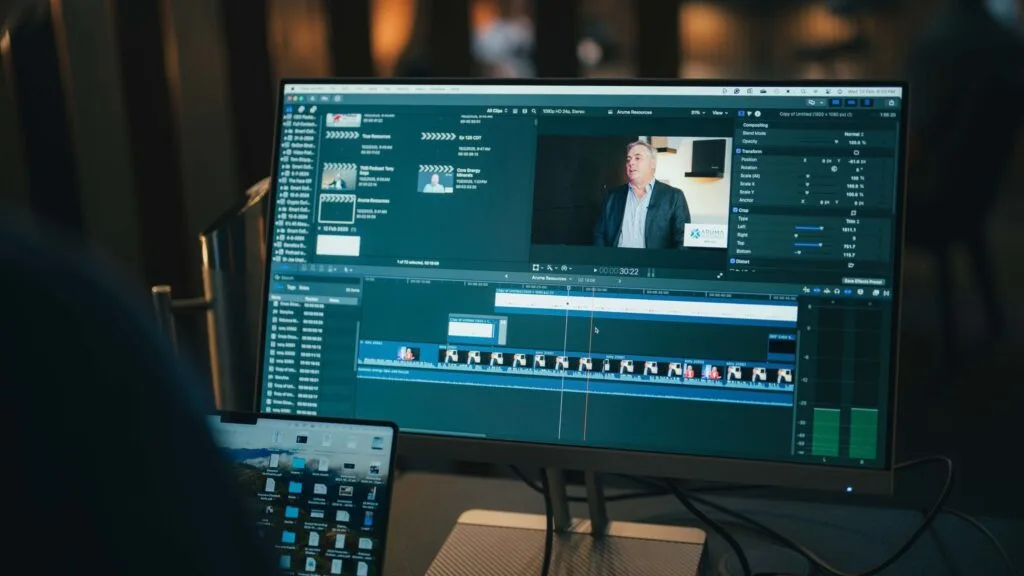
When you repurpose a video podcast into clips, the selection matters far more than the editing. A well chosen moment cut plainly will always beat a weak moment dressed up with captions and effects.
Begin by watching the episode back with one question in mind: where did the conversation earn a reaction? A clear opinion, a surprising number, a short story, a myth being corrected. These beats stand on their own.
Next, find the natural in and out points. A good clip begins on a complete thought and ends on one, with no dangling setup that only makes sense in the full episode. Because a viewer arrives with zero context, the first three seconds have to signal what the clip is about.
Then add the mechanics that help the clip travel: burned in captions, since most people watch on mute, a clear vertical crop that keeps the speaker framed, and a short on screen title. Finally, keep the pace tight and cut any long pauses.
If cutting clips well is not something you want to own in house, this is exactly the kind of work our editing services are built for.
The Clips That Actually Get Watched
When you repurpose a video podcast, not every moment deserves a clip. The ones that perform tend to share a few traits, and recognising them early saves hours of editing time.
- A clear hook in the first line. The opening words tell the viewer what they are about to get. Vague warm up chat does not survive on social.
- One idea, not three. A clip that tries to cover a whole topic loses people, whereas a clip that makes one sharp point holds them.
- A reason to feel something. Surprise, disagreement, recognition or a laugh. Flat information, however useful, rarely travels.
- A speaker who is easy to watch. Energy reads on camera, which is one reason video works so well for discovery.
A two minute answer about pricing, for example, might contain one brilliant fifteen second line. That single line is the clip, and the rest stays in the full episode.
What Does Not Work
A few common habits quietly waste the effort, so recognising them is half the battle.
Posting the full episode as your only social content does not work. It asks a stranger to commit an hour before they trust you, and almost nobody will. Instead, let the clips earn that trust first.
Chasing trends that have nothing to do with your subject does not work either. A dance trend might win views, but it brings the wrong audience, and the wrong audience does not become clients.
Finally, waiting for perfect does not work. A clean cut posted this week beats a beautifully polished one that never ships. Momentum matters more than gloss, and consistency is what keeps the platforms showing your work to new people.
Where to Post When You Repurpose a Video Podcast
Once you repurpose a video podcast into a set of clips, spread them across the platforms that suit short vertical video. Instagram Reels, TikTok, YouTube Shorts and LinkedIn all take the same vertical format, so one clip can be posted to all four with minor tweaks. YouTube in particular treats Shorts as a discovery engine that points people toward your full episodes, which you can read about in Google’s guidance on YouTube Shorts.
The full episode itself belongs on YouTube and the audio platforms. Spotify now supports full video episodes, so the same recording works as both a video and an audio show, as covered in Spotify’s video podcast overview.
A simple rule keeps this manageable: publish the episode once, then release its clips over the following days rather than all at once. That way a single recording keeps working for a week or more, and your promotion stays consistent without any extra filming.
Building Repurposing Into Your Recording Day
The businesses that repurpose a video podcast consistently do not treat it as a separate project. Instead, they plan for it before recording, which is where a little strategy and planning pays off.
First, brief your guest to give complete answers, so each response can stand alone as a clip. Second, note the strong moments as they happen during the record, since this saves hours of review later. Third, film in a setup that already looks good in a vertical crop, so no clip needs rescuing in the edit.
This is also where the room matters. A well lit, properly framed video podcast studio in Perth gives you clips that look professional the moment they are cut. In short, the recording environment decides how much your clips are worth before editing even begins.
Frequently Asked Questions
How many clips can you get from one video podcast episode?
A one hour video podcast episode typically yields between eight and fifteen usable short clips, depending on how many strong, self contained moments the conversation produces. Briefing your guest to give complete answers is the simplest way to lift that number.
How long should a repurposed podcast clip be?
Most repurposed podcast clips perform best between thirty and ninety seconds, which is long enough to make one clear point and short enough to hold attention on a scrolling feed. The exact length matters less than starting on a strong hook and ending on a complete thought.
How soon after recording should you post the clips?
Aim to release clips across the week or two after an episode goes live, spacing them out rather than posting them all at once, so a single recording keeps generating attention for days. There is no benefit to holding clips back, since each one points new viewers toward the full episode.
Ready to Turn One Episode Into a Week of Content?
At Podwave Studios we film video podcasts in Perth that are built to be cut into social content from the first frame, with studios in West Leederville and West Perth and an editing team that turns each episode into a run of clips. If you would rather record once and let the clips do the work, book a studio and we will help you plan it properly.