Skip to content

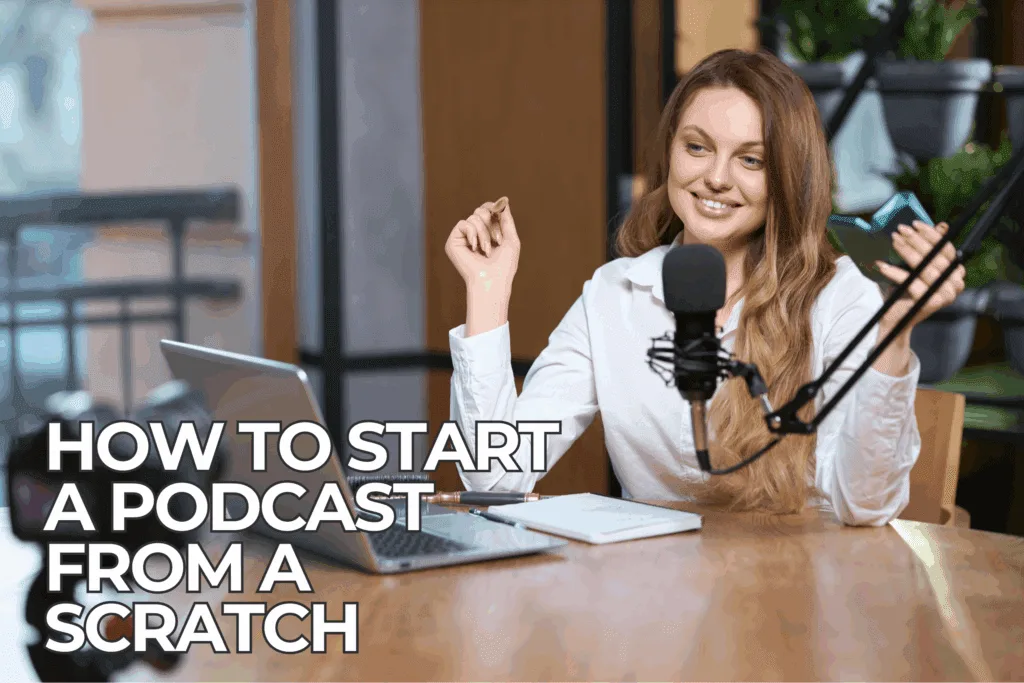

Podcasting is one of the fastest-growing forms of media today—and for good reason. It’s a powerful way to build an audience, share your expertise, or simply have fun talking about what you love. But getting started can feel overwhelming if you’ve never done it before.
Whether you’re a solo creator, a business, or a group of friends with a passion project, this step-by-step guide will walk you through exactly how to start a podcast from scratch—no experience required.
Step 1: Define Your Purpose and Audience
Before you touch a microphone, ask yourself:
Why are you starting a podcast? Who is it for?
Some common goals include:
- Sharing knowledge or expertise
- Telling stories or interviewing guests
- Building a brand or business
- Building a community around a niche interest
Niche down as much as possible. A podcast about “sports” is too broad; a podcast about “training methods for amateur triathletes” is focused and easier to grow.
Step 2: Choose a Topic and Format
Pick a topic you’re passionate about and can talk about consistently. Once you have that, choose your format:
Common podcast formats:
- Solo commentary or storytelling
- Co-hosted banter
- Guest interviews
- Roundtable discussions
- Narrative/documentary
Decide on:
- Episode length (15 mins? 60 mins?)
- Publishing frequency (weekly, bi-weekly, seasonal?)
Episode structure (Intro → Main content → Outro)
Step 3: Plan Your Episodes
Before you record anything, plan out your first 5–10 episodes. This helps you build momentum and maintain consistency.
Outline each episode:
- Title and theme
- Key talking points
- Guests (if any)
- Calls to action (subscribe, review, etc.)
Step 4: Get Your Podcast Gear
You don’t need to break the bank to start podcasting, but audio quality matters. Here’s what you need to begin:
🛠️ Basic Podcast Starter Kit:
- Microphone: USB mics like the Samson Q2U or Blue Yeti are affordable and reliable.
- Headphones: Closed-back headphones like the Audio-Technica ATH-M20x help you monitor audio without echo.
- Recording Software:
- Free: Audacity (Windows/Mac), GarageBand (Mac)
- Paid: Adobe Audition, Hindenburg, Descript
- Hosting Platform: Buzzsprout, Podbean, Libsyn, or Anchor (Spotify for Podcasters)
Step 5: Record and Edit Your Episode
Find a quiet room, test your mic levels, and start recording. Don’t aim for perfection—aim for clarity and natural delivery.
Tips for better recording:
- Use a pop filter to reduce harsh “p” and “s” sounds
- Record in a small space with soft surfaces to reduce echo
- Pause between thoughts so it’s easier to edit
Editing basics:
- Cut out awkward pauses and background noise
- Add music or intro/outro segments
- Normalise audio levels for consistent sound
Step 6: Create a Podcast Brand
Make your podcast visually and descriptively appealing to new listeners.
You’ll need:
- Podcast Name: Short, memorable, and relevant to your topic
- Cover Art: 3000×3000 pixels, high-resolution, eye-catching
- Intro & Outro Music: Royalty-free or custom music (sites like Pixabay or AudioJungle)
- Show Description: A clear summary of what your show is about and who it’s for
Step 7: Choose a Podcast Hosting Platform
A podcast host stores your episodes and distributes them to platforms like Apple Podcasts, Spotify, and Google Podcasts.
Popular podcast hosting platforms:
- Buzzsprout (great for beginners)
- Libsyn (industry standard)
- Anchor (free, owned by Spotify)
- Podbean (easy monetization options)
Once uploaded, your host gives you an RSS feed, which you’ll submit to podcast directories.
Step 8: Submit to Podcast Directories
Make your podcast available to listeners everywhere.
Submit your RSS feed to:
- Apple Podcasts
- Spotify
- Google Podcasts
- Amazon Music
- Stitcher (if available)
- Pocket Casts
- TuneIn
- YouTube (for video or static image audio)
Step 9: Promote Your Podcast
Launching is just the beginning. Now it’s time to grow your audience.
Promotion tips:
- Share clips and quotes on social media
- Ask friends and listeners to leave reviews
- Create audiograms or short video teasers
- Collaborate with other podcasters in your niche
- Launch with 3+ episodes so listeners can binge
Step 10: Stay Consistent and Keep Improving
Podcasting is a long game. Many shows fade after a few episodes—but consistency is key.
Tips to stay on track:
- Batch record episodes ahead of time
- Track listener stats and feedback
- Join podcasting communities for support
- Keep experimenting with content and promotion strategies
Final Thoughts
Starting a podcast from scratch can feel intimidating—but it’s absolutely doable. With the right tools, planning, and mindset, you can launch a podcast that grows, connects, and leaves a lasting impact.
So hit record. Your audience is waiting.