Skip to content

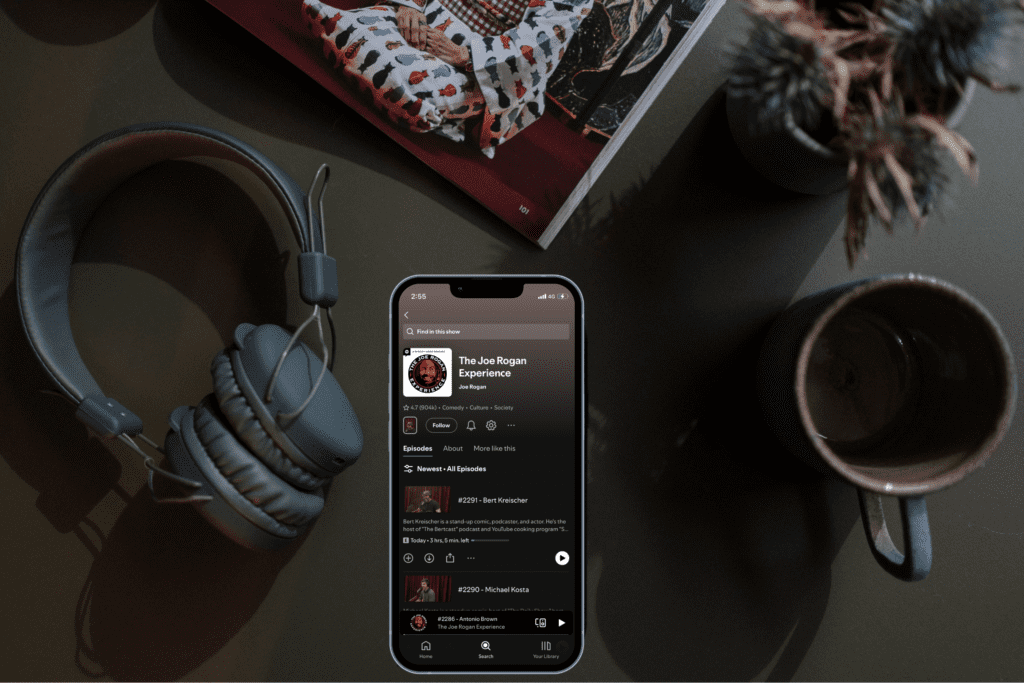

Joe Rogan’s podcast, The Joe Rogan Experience (JRE), is one of the most successful and influential podcasts in the world. With millions of listeners per episode, exclusive deals, and a cult-like following, Rogan has turned his podcast into a media empire. But how did he do it? Let’s break down the key strategies behind Joe Rogan’s podcasting success.
1. Consistency and Longevity
One of the biggest factors in Rogan’s success is his consistency. He has been podcasting since 2009, producing multiple episodes per week. This dedication to regular content has helped him build a massive audience over time. Unlike many podcasters who start strong but fade away, Rogan’s commitment to the long game has paid off immensely.
2. Long-Form, Unfiltered Conversations
Most podcasts aim for short, digestible episodes, but Rogan took a different approach: long-form, in-depth discussions. His episodes often last two to three hours, allowing for deep dives into topics that shorter formats can’t cover. This length makes conversations feel authentic and unscripted, keeping listeners engaged for extended periods.
3. Finding Your Unique Angle
Rogan’s guest list is incredibly diverse, featuring:
- Celebrities (Elon Musk, Kanye West, Mike Tyson)
- Scientists (Neil deGrasse Tyson, Brian Cox)
- Comedians (Bill Burr, Joey Diaz)
- Athletes & Fighters (Georges St-Pierre, Tyson Fury)
- Controversial Figures (Alex Jones, Edward Snowden)
This variety ensures that his audience always has something new to look forward to, and it attracts listeners from different communities.
4. Unfiltered and Honest Conversations
Unlike heavily edited or scripted podcasts, The Joe Rogan Experience thrives on raw, unfiltered discussions. Rogan isn’t afraid to ask tough questions, challenge ideas, or express controversial opinions. This openness creates an environment where guests feel comfortable sharing their true thoughts, leading to authentic and compelling content.
5. Strong Community Engagement
Rogan interacts with his fans across various platforms, including YouTube, X (Twitter), and Instagram. The community aspect of his podcast is strong, with fans actively discussing episodes, sharing clips, and creating memes that help spread his content virally.
6. Video Podcasting & Visual Engagement
Long before video podcasts became popular, Rogan leveraged YouTube to attract a wider audience. Clips from his podcast, often featuring the most viral or thought-provoking moments, get millions of views. This strategy helps introduce new listeners to his show and boosts engagement.
7. Monetisation and Business Acumen
Rogan’s financial success isn’t just from ad revenue. He has multiple monetisation streams:
- Spotify’s $100 Million Exclusive Deal – One of the biggest podcasting deals in history.
- YouTube Ad Revenue – Before the Spotify deal, his YouTube channel generated significant income.
- Sponsorships – Brands like Onnit, Cash App, and Athletic Greens have been regular sponsors.
- Live Shows & Merch – Rogan also monetises through stand-up comedy tours and merchandise sales.
8. Authenticity and Relatability
One of the biggest reasons Rogan has such a dedicated fanbase is his authenticity. He comes across as a regular guy who’s curious about a variety of topics. He doesn’t claim to be an expert but instead explores ideas alongside his guests, making his podcast feel more like a conversation than an interview.
9. Leveraging Cross-Promotion and Networking
Rogan frequently appears on other podcasts, collaborates with influencers, and cross-promotes with his guests. This not only expands his audience but also keeps his content relevant across multiple networks.
10. Staying Ahead of Trends
Rogan consistently adapts to new trends, whether it’s incorporating video content, engaging with controversial topics, or shifting platforms (like moving from YouTube to Spotify). He’s not afraid to pivot and evolve, which helps him stay ahead in the competitive podcasting industry.
Final Thoughts
Joe Rogan’s podcast success isn’t due to just one factor—it’s a combination of consistency, authenticity, great guest selection, long-form content, strong community engagement, and smart business decisions. Whether you’re an aspiring podcaster or a fan of digital media, there’s a lot to learn from his strategy.