Skip to content


In today’s fast-paced world, storytelling has evolved far beyond the pages of books or the reels of film. Podcasts have emerged as one of the most powerful platforms for storytelling, offering unique advantages that set them apart from other mediums. Whether it’s sharing personal anecdotes, fictional tales, or investigative narratives, podcasting brings stories to life in a deeply engaging and intimate way. But what makes podcasting the best medium for storytelling? Let’s dive in.
1. The Power of Voice
At its core, podcasting is about the voice. Human beings are naturally drawn to voices; they convey emotion, nuance, and personality in ways that written text or visual media cannot. A good storyteller’s tone, pace, and inflection can dramatically change how a story is perceived.
In podcasts, storytellers have the ability to speak directly to the audience, creating a connection that feels deeply personal. Listening to someone recount their experiences or narrate a fictional world in their own voice allows listeners to experience the story in a way that feels intimate and authentic. Voice, in podcasting, is not just a tool—it’s the essence of storytelling.
2. Imagination Engaged Through Audio
Unlike visual media, podcasts require listeners to use their imagination. When we listen to a well-crafted story, we paint our own mental pictures of characters, settings, and events. This active engagement of the mind can make stories feel more immersive and memorable.
For example, while a movie shows you everything on the screen, a podcast leaves room for you to interpret the details, envision the scenes, and create your own version of the world being described. This active involvement makes the listener a co-creator in the storytelling process, which can deepen emotional connections to the story.
3. Flexibility and Accessibility
One of the major strengths of podcasting is its accessibility. Unlike watching a movie or reading a book, podcasts can be consumed while multitasking. Whether driving, exercising, cooking, or commuting, listeners can immerse themselves in stories without needing to be physically tethered to a screen or book. This flexibility opens up new opportunities for storytelling, as listeners can engage with content in ways that fit seamlessly into their daily lives.
Moreover, podcasts are available on-demand, making it easy for listeners to choose what they want to hear and when. This allows for binge-listening to long-form storytelling podcasts, which can create the same kind of excitement and anticipation that people feel with serialised television shows or book series.
4. The Power of Serialised Storytelling
Podcasting lends itself particularly well to serialised storytelling. Much like TV series, podcasts can release episodes that build on each other, creating a compelling arc that keeps listeners coming back for more.
This episodic nature not only helps maintain listener interest but also allows for more in-depth character development and plot exploration. Podcasts such as Serial, Welcome to Night Vale, and The Truth have demonstrated how powerful this format can be for long-form storytelling, as episodes can be released over weeks or months, giving listeners time to process and anticipate each new instalment.
5. Niche Storytelling
Podcasts have the ability to cater to niche audiences and specialised interests in a way that mass media often cannot. Whether it’s true crime, science fiction, personal growth, or deep-dive history, there is a podcast for virtually every topic. This specialisation allows storytellers to connect with listeners who are passionate about their subject matter, creating a loyal and engaged audience.
For creators, podcasting offers the freedom to explore unconventional or experimental narratives that might not find a home in traditional publishing or broadcasting. The lack of strict gatekeepers or regulations in podcasting means that diverse voices, independent creators, and marginalised communities can find their place in the medium and tell stories that matter to them.
6. Empathy
Podcasts are increasingly influential in shaping public discourse and opinion. The intimate and Podcasts, especially those featuring personal stories or interviews, can foster a sense of intimacy that other mediums struggle to match. Listening to someone share their personal experiences, challenges, or joys feels like a one-on-one conversation, building empathy between the listener and the storyteller.
Unlike video content, where visual distractions can take away from the message, podcasting allows listeners to focus solely on the words and emotions of the speaker. This creates an environment where deeper and more meaningful connections can be formed with the story.
7. Low Barriers to Entry
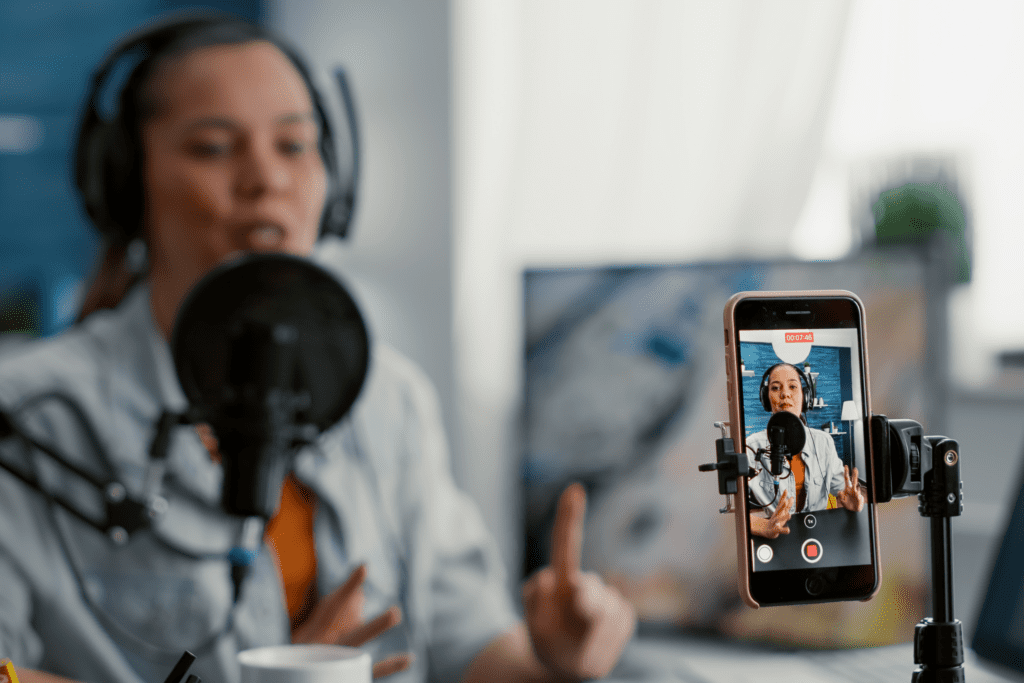
The democratisation of podcasting is another reason why it’s an excellent medium for storytelling. With a microphone, basic editing software, and an internet connection, anyone can start a podcast. There are no gatekeepers in the podcasting world, which allows for a wide range of voices and stories to emerge.
This accessibility encourages new storytellers from all walks of life to experiment and share their narratives, leading to a rich and diverse ecosystem of podcast content. It’s a medium where you don’t need to be a Hollywood producer or a bestselling author to have your voice heard and appreciated.
Summary
Podcasting’s combination of the human voice, imagination, and flexibility makes it an ideal medium for storytelling. Its unique ability to foster intimacy, engage listeners in a personal way, and allow for niche content makes podcasting stand out among modern storytelling platforms. As podcasting continues to grow in popularity, its role as a dominant storytelling medium will only become more pronounced.