Skip to content

For most of podcasting’s history, the format was audio-first by default. You recorded, you edited, you uploaded to Spotify and Apple Podcasts, and that was the distribution strategy. Video was an afterthought at best, a clip here and there for social content.
That has changed. YouTube is now the most used platform for podcast consumption in Australia, and the gap is widening. For businesses building a show in 2026, that shift has real consequences for how you produce content, where it lives, and how it performs.
If you are planning to launch a podcast this year, video-first production is not a nice-to-have. It is the strategic starting point.
What Changed and Why
YouTube’s rise as a podcast platform was not sudden. The company invested heavily in podcast infrastructure, making it easier to upload shows, auto generate chapters, and surface content through search in a way that audio-only platforms have never matched.
The result is that podcast audiences discovered something they already knew from years of YouTube use: watching is more engaging than listening, especially for longer-form content. You can see the hosts, read their body language, notice when they laugh or pause. The experience is richer and more memorable.
For creators and business owners, the implication is significant. An audio-only podcast that lives on Spotify is reaching one slice of the available audience. The same show, produced with video, reaches that audience plus everyone who would have found it through YouTube search, YouTube recommendations, and YouTube Shorts clips.
You are not choosing between audio and video. You are choosing how much of your potential audience you want to reach.
What Video-First Production Actually Means
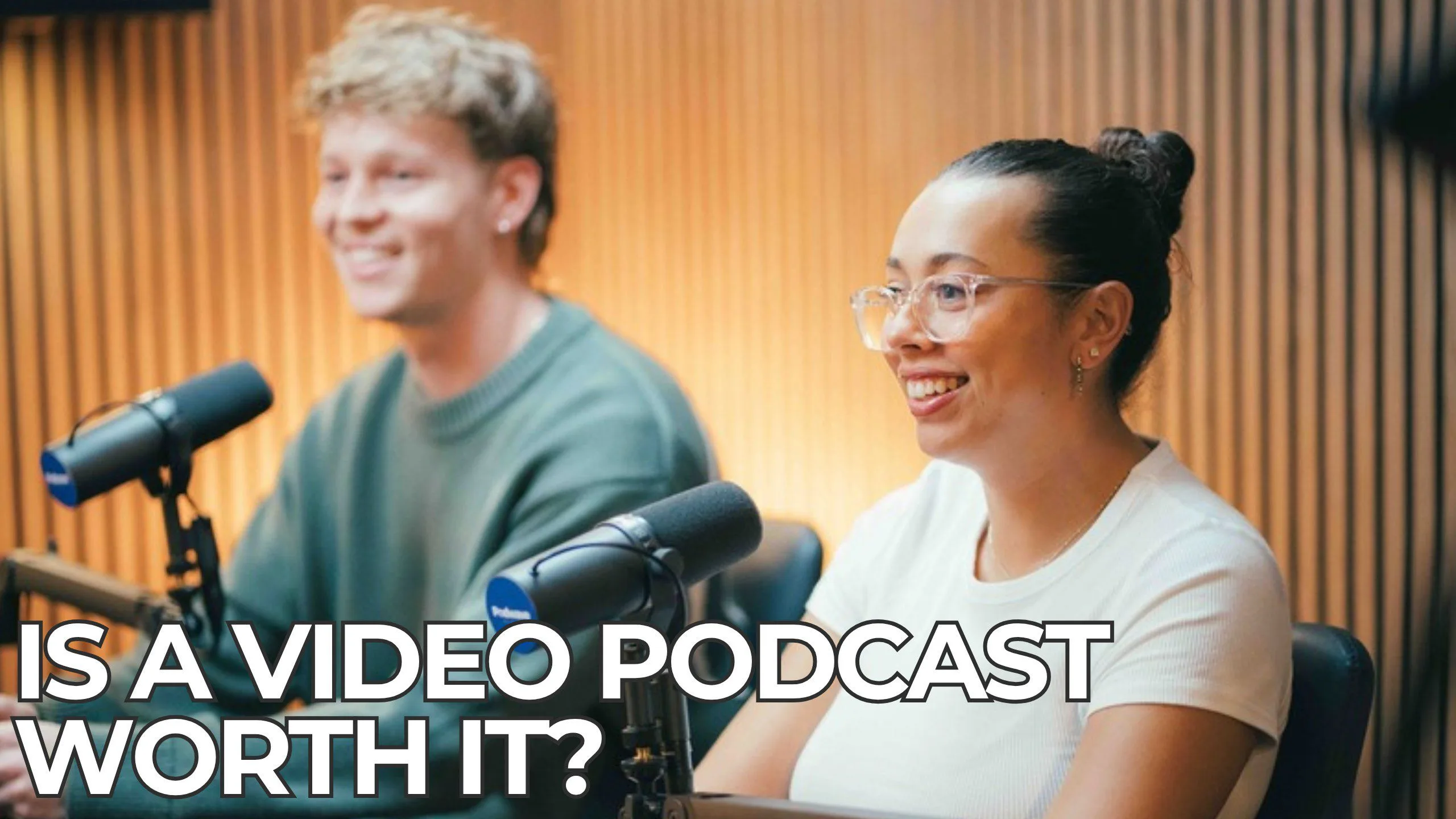
Video-first does not mean pointing a webcam at your desk and calling it done. The bar for quality on YouTube is high, and audiences have calibrated to expect a certain standard. A show that looks rough reflects poorly on the brand behind it, regardless of how good the content is.
Video-first production means building the show so that the video output is the primary deliverable, with everything else derived from it. The practical requirements are:
A purpose-built room. The environment needs to look good on camera. That means proper lighting design, acoustic treatment, clean backgrounds, and a layout that frames hosts and guests well from multiple angles. This is not achievable in a standard office or conference room without significant investment.
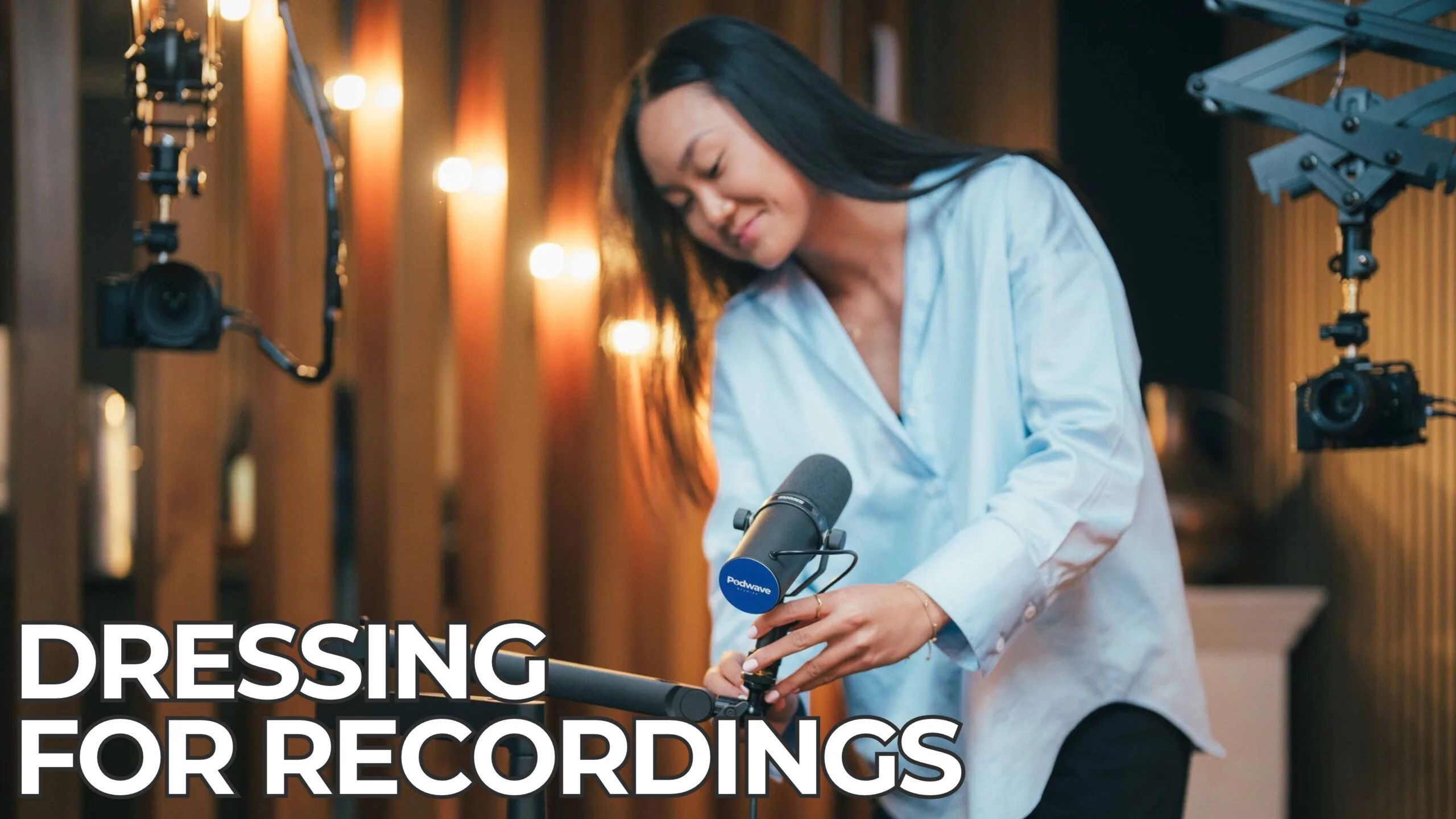
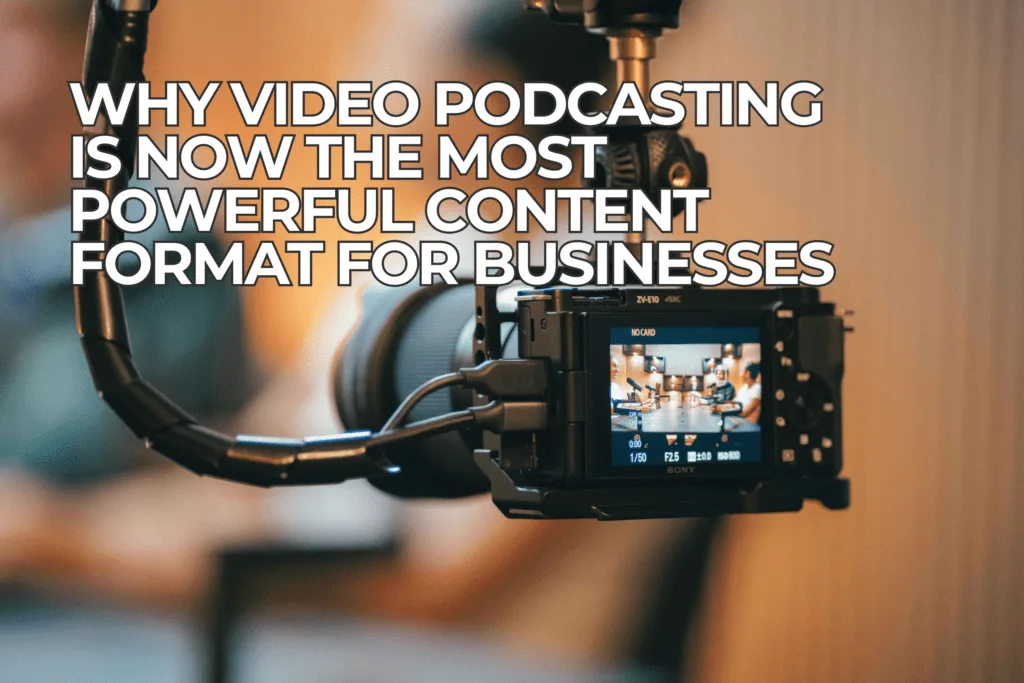
Multi camera capture. A single static shot works for a simple interview but does not give editors the coverage they need to make a video feel dynamic. Most quality video podcasts are shot with at least two camera angles, often three, with a live operator managing the switching.
Broadcast quality audio. Video solves the visual problem but creates an audio expectation. Audiences will tolerate rough visuals more readily than bad audio. Microphones, acoustic treatment, and proper mixing are non-negotiable.
A post-production workflow. The raw footage from a recording session needs to be edited, colour-graded, mixed, and formatted for each distribution platform. A one-hour recording becomes a full episode, a YouTube video, short-form clips for Instagram and social, and potentially a transcript for written content. That pipeline needs to be set up from the start.
Why It Matters More for Perth Businesses
Perth is a relationship driven business city. The network is tighter than in Sydney or Melbourne, which means trust and recognition carry more weight here than in larger markets.
A video podcast built around your business or your leadership team accelerates that trust-building in a way that almost no other medium can. People who watch ten episodes of your show feel like they know you before you have ever met. That is an extraordinary advantage in a market where referrals and relationships drive most deals.
There is also the distribution argument. Perth businesses often struggle to reach audiences outside of Western Australia. A well-produced YouTube channel sidesteps the geography entirely. Your show is discoverable globally, which matters if your clients or customers are not all located in Perth.
The businesses getting the most from podcasting in Perth right now are the ones who treated it as a brand-building investment from the beginning, not a content experiment. The video-first approach is what separates those two outcomes.
What to Look for in a Studio
Not all recording studios are built for video. Many that market themselves as podcast studios were designed for audio first and have adapted with varying results. Before booking, it is worth asking a few direct questions:
How is the room lit? Natural light is unpredictable and creates colour balance problems. A studio should have dedicated broadcast lighting that is consistent across sessions.
How many cameras does the setup include, and who operates them? A static two-camera setup with no operator is a floor, not a ceiling. Studios that take video seriously have a producer managing the visual feed in real time.
What does post-production cover? Editing, colour grading, audio mastering, and delivery in your required formats should all be part of the package. If the studio hands you raw files and wishes you luck, the real cost has just been transferred to you.
Can you see footage from previous sessions? Any studio confident in their output should be able to show you examples.
Building Your Show in Perth
Podwave Studios in West Leederville and West Perth is built for video-first production. Every session includes a fully equipped multi-camera setup, a producer managing the technical side, and optional post-production that takes the raw session to a finished, publishable product.
The studios have hosted corporate teams, professional services firms, health and wellbeing brands, and individual thought leaders across Perth. The output is consistent because the environment is purpose-built for it.
If you are planning to launch a podcast this year or looking to upgrade an existing show, the best starting point is seeing the studio. Tours are available at both locations.
Book a tour or a session at podwavestudios.au or contact the team at support@podwavestudios.au