Skip to content

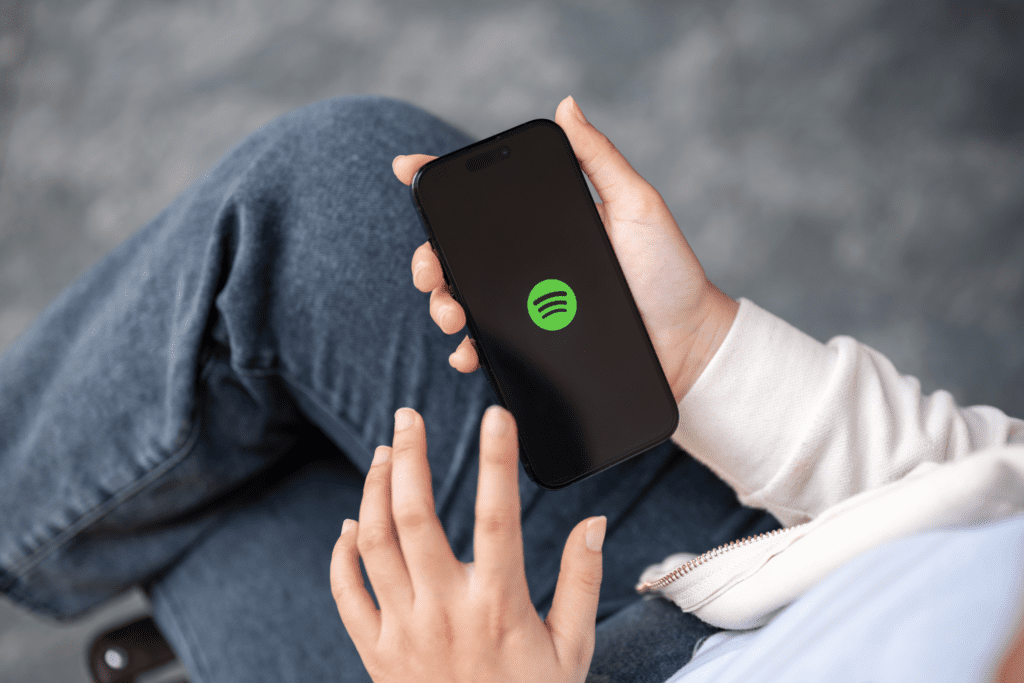

In today’s fast-paced digital landscape, video content is more than just a trend—it’s quickly becoming a fundamental part of the podcasting world. According to Spotify’s 2024 Fan Study, video podcasts are skyrocketing in popularity. By understanding this shift and the benefits video offers, you can transform your content strategy, deepen your audience’s engagement, and expand your show’s reach.
Here’s a closer look at what Spotify uncovered, and how you can use these insights to elevate your podcast.
1. Video Podcasts Are on the Rise
2024 is proving to be the year of the video podcast. Nearly 40% of Spotify users who streamed a new show this year opted for a video podcast. This reflects a growing audience preference for video, with more than 170 million users tuning in to watch their favourite shows. The numbers are staggering: video podcast consumption has surged by 88% in just the past year.
What does this mean for creators? Video is no longer a secondary option—it’s becoming a key format for reaching wider audiences. Whether you’re an established podcaster or just starting out, offering a video version of your show can help you stand out and attract more viewers.
2. Video Audiences Are More Loyal
While audio podcasts have long dominated the space, video is proving to be a game-changer when it comes to audience retention. Spotify’s study found that video podcast listeners are 1.3 times more likely to stick around compared to those who tune into audio-only shows. This loyalty isn’t limited to big-name podcasts—small shows with just 10 to 100 hours of monthly consumption are seeing 26% higher retention rates when they add video.
Why is this happening? Video creates a deeper connection between hosts and listeners, offering visual cues, body language, and a more immersive storytelling experience. Viewers can engage on multiple levels, which translates to higher loyalty.
3. Video Podcasts Have Global Appeal
Video isn’t just popular in a handful of regions—it’s a global phenomenon. Spotify’s data shows that countries across continents, from Brazil and Argentina to Finland and the Philippines, are embracing video podcasts. Even more intriguing is the interest among younger listeners. 21% of all podcast consumption among the 13-17 age group is spent on video content, followed by the 18-24 demographic at 14%. But the appeal doesn’t end there. Older listeners, including those between 25 and 44, are also dedicating 13% of their podcast time to video shows.
What does this mean for creators? The potential to reach diverse and international audiences has never been greater. Video allows you to connect with viewers in a way that transcends geographical boundaries, helping you build a global fanbase.
4. Gen Z Leads the Way in Video Engagement
While podcast listeners are known to multitask, video podcasts are capturing their attention like never before. A whopping 70% of video podcast viewers watch them in the foreground, giving them their undivided attention. Among the most engaged is Gen Z—Spotify reports that 54% of podcast consumption for the 13-17 age group happens in the foreground, meaning they’re fully focused on the content. Interestingly, even older demographics (those 55+) are showing strong engagement with video.
This cross-generational appeal highlights the versatility of video podcasts. Younger listeners may tune in for entertainment and cultural commentary, while older audiences are likely drawn to thoughtful discussions and expert interviews.
Why Video Podcasts Matter for Your Strategy
Video podcasts aren’t just a trend—they’re a powerful tool to grow your audience, boost engagement, and foster loyalty. The insights from Spotify’s 2024 Fan Study show that fans are hungry for visual content, and that trend spans generations and geographies. Whether you’re looking to increase listener retention or tap into new markets, video podcasts could be the key to unlocking your podcast’s full potential. Wanting to start a video podcast or level up your current show contact the team at Podwave Studios today.
Special thanks to Spotify for providing the data and insights shared in this article.