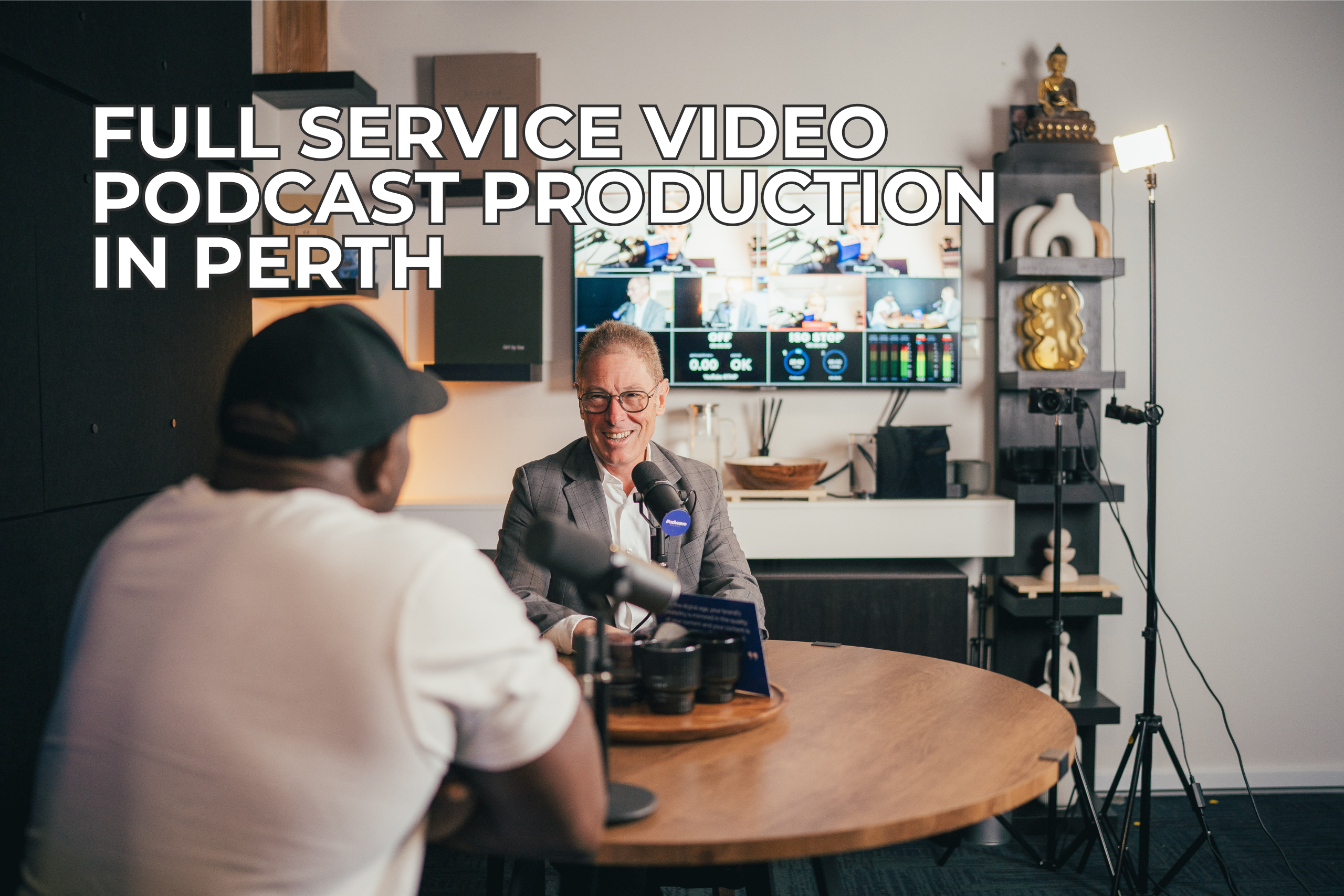


Interviews are a staple of many successful podcasts, offering listeners insights and perspectives from various guests. Conducting a great interview requires more than just asking questions; it’s about creating a dynamic conversation that engages both the guest and the audience. Here are some interviewing techniques for podcasters to ensure your interviews are both engaging and effective.
1. Research Your Guest
Before the interview, spend time researching your guest(s). Understand their background, achievements, and current projects. Familiarise yourself with their work and any recent news about them. This preparation will help you ask informed questions and show your guest that you value their time.
2. Prepare a Flexible Outline
Create a list of topics and questions you want to cover, but remain flexible. An outline helps keep the conversation on track, but being too rigid can stifle the natural flow of the discussion. Allow the conversation to evolve organically and be ready to follow interesting tangents.
3. Start with Easy and Open Ended Questions
Begin the interview with straightforward, comfortable questions to help your guest relax. This could include asking about their recent work or a current project. Easy questions set a positive tone and build rapport, making it easier to transition to more in-depth topics later. Open-ended questions encourage detailed responses and stimulate conversation. Instead of asking yes/no questions, ask questions that require elaboration. For example, instead of asking, “Did you enjoy working on that project?” ask, “What was your favourite part of working on that project?”
4. Listen Actively
Active listening is crucial for a successful interview. Pay attention to your guest’s responses and show genuine interest. Nod, smile, and use verbal affirmations like “I see” or “That’s interesting.” Active listening helps you pick up on cues for follow-up questions and shows your guest that you’re engaged. Use those cues to then segue to other discussions. Don’t stop the conversation abruptly and change direction, use these cues to keep the flow.
5. Follow up on Points and Probe
Don’t be afraid to ask follow-up questions. If a guest mentions something intriguing, ask them to elaborate. Probing deeper into their responses can uncover fascinating stories and insights that wouldn’t emerge from surface-level questions.
6. Balance the Conversation
Ensure that the interview feels like a conversation rather than an interrogation. Share your thoughts and experiences where relevant, but avoid dominating the discussion. The focus should remain on the guest, with your contributions enhancing rather than overshadowing their responses.
7. Closing is Critical
End the interview on a positive note by thanking your guest for their time and insights. Summarise key points from the conversation and express your appreciation. Also, encourage your guest to promote themselves at the conclusion so your audience can find them. This all combines to leave a lasting positive impression and can foster ongoing relationships with your guests plus referral pathways to other guests.
Summary
Conducting engaging and effective interviews is an art that requires preparation, active listening, and a genuine interest in your guest’s story. By following these techniques, you can create dynamic interviews that captivate your audience and provide valuable insights.